
About veganism
Every year in Armenia, by official statistics alone, around 500,000 cows and bulls, 250,000 pigs, 500,000 sheep and 12,968,000 chickens are killed for meat; around 2,654,000 hens are exploited for their eggs; around 728,000 animals of various species are exploited for dairy production. On top of that, Armenia imports more than 290,000 tonnes of the products of animal exploitation every year.
- 80 bn
- land animals are killed for meat worldwide every year
- 2 tn
- fish are killed for their flesh every year
- 8 bn
- male chicks die in the egg industry every year
- 90%
- of these animals are born, live and die in industrial farming
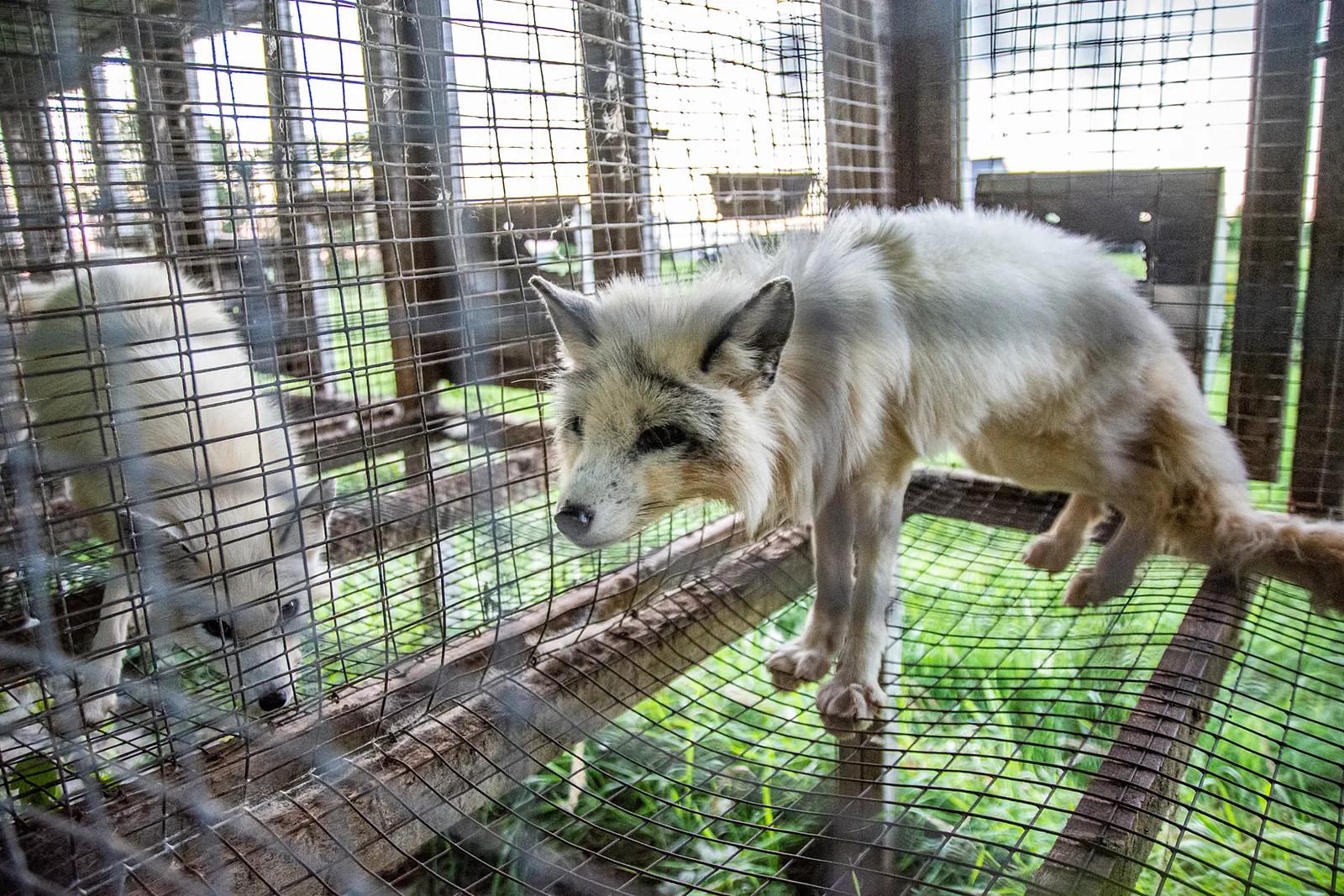
And none of that counts the other species eaten as food; the animals killed for fur and leather; those who die in laboratories; the companion animals subjected to cruelty; the wild animals shot by hunters for entertainment, or dying because of the damage animal farming does to their habitats.
So who are vegans?
- Vegans do not support the exploitation of animals or the harm done to them.
- They give up meat, milk, eggs, honey and other products of animal exploitation, and they do not use clothing or goods made from animals or tested on them.
- Veganism is not a diet, not a spiritual practice and not a passing trend, but an effort to live in a way that reduces the suffering of animals.
Why should I care?
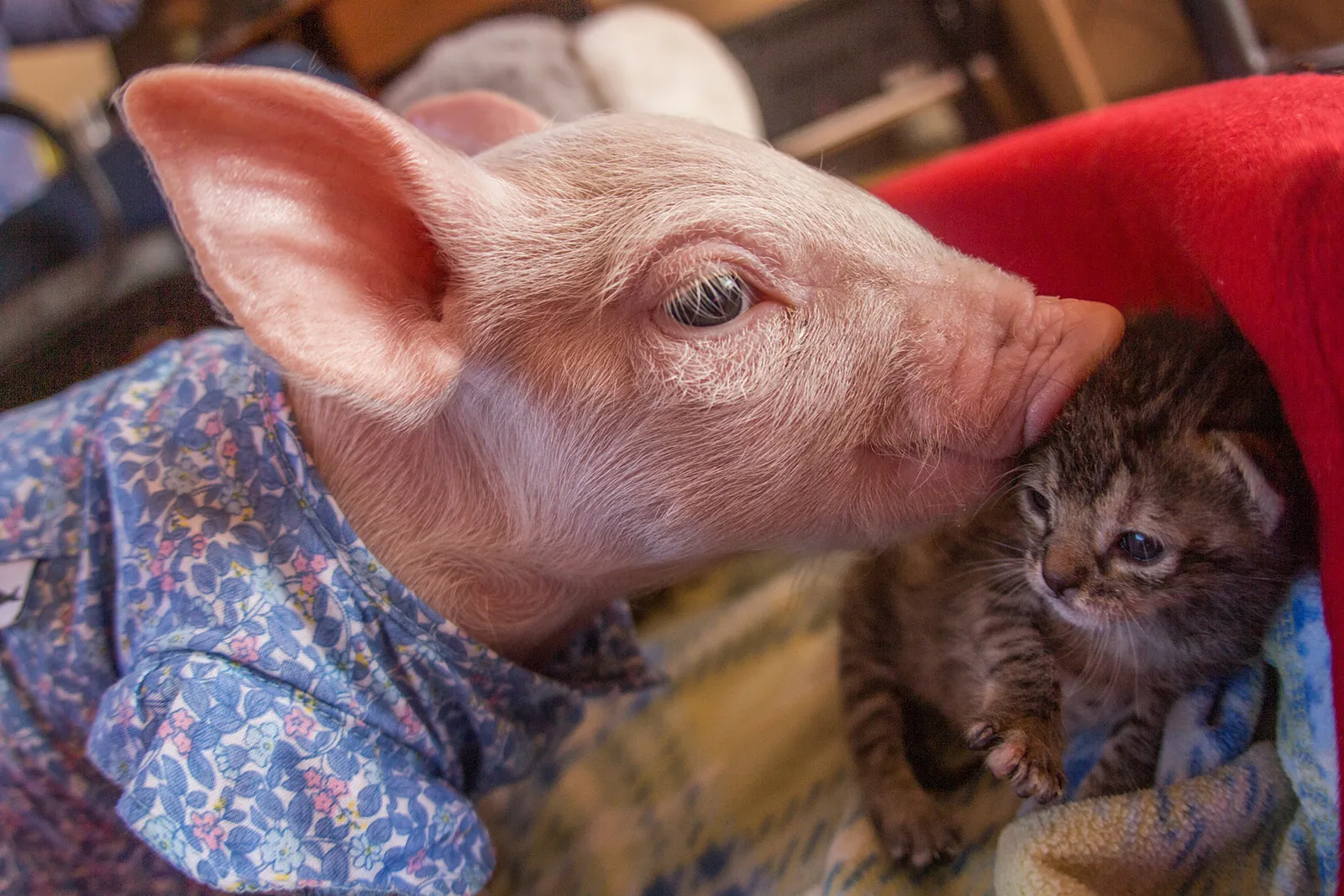
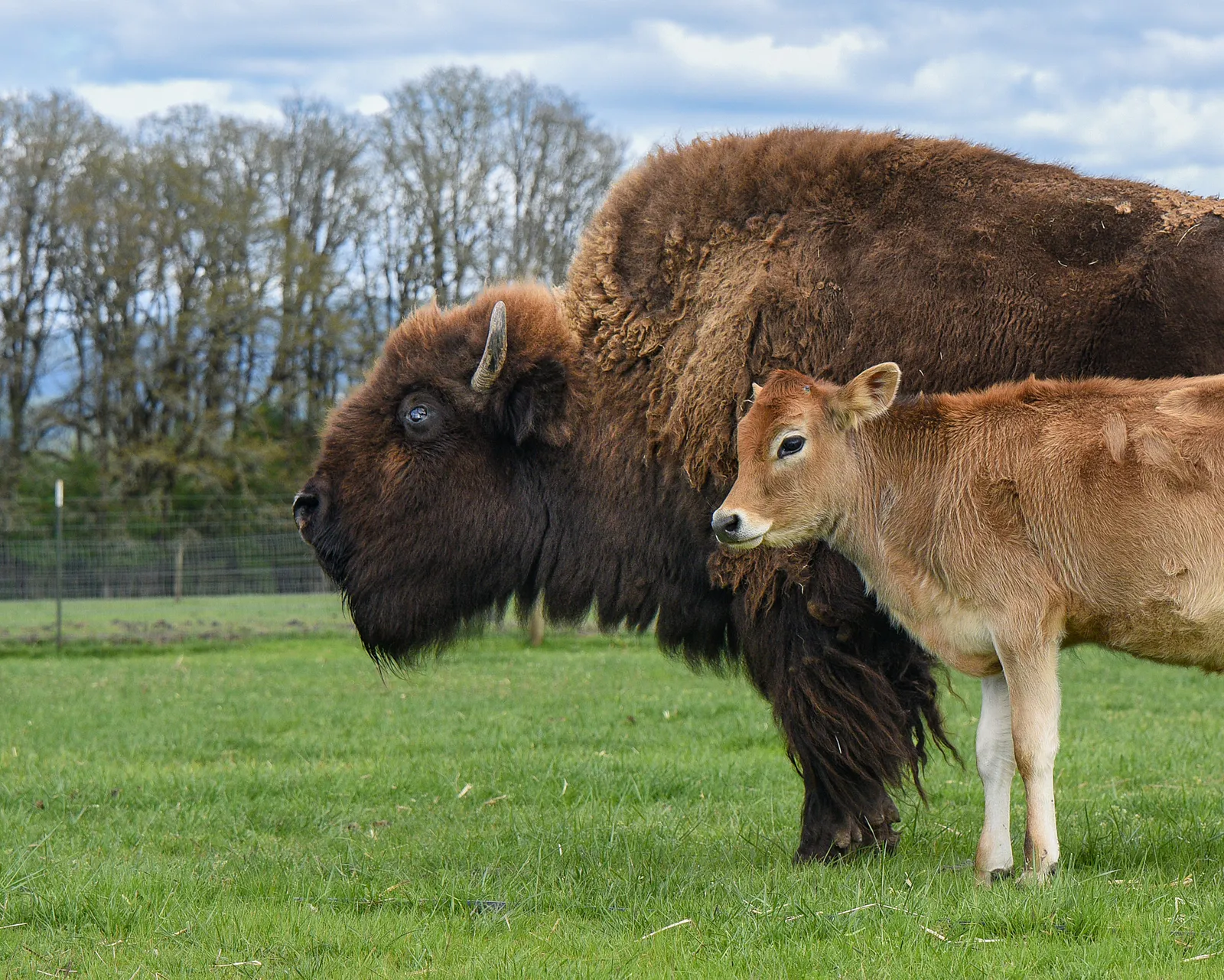
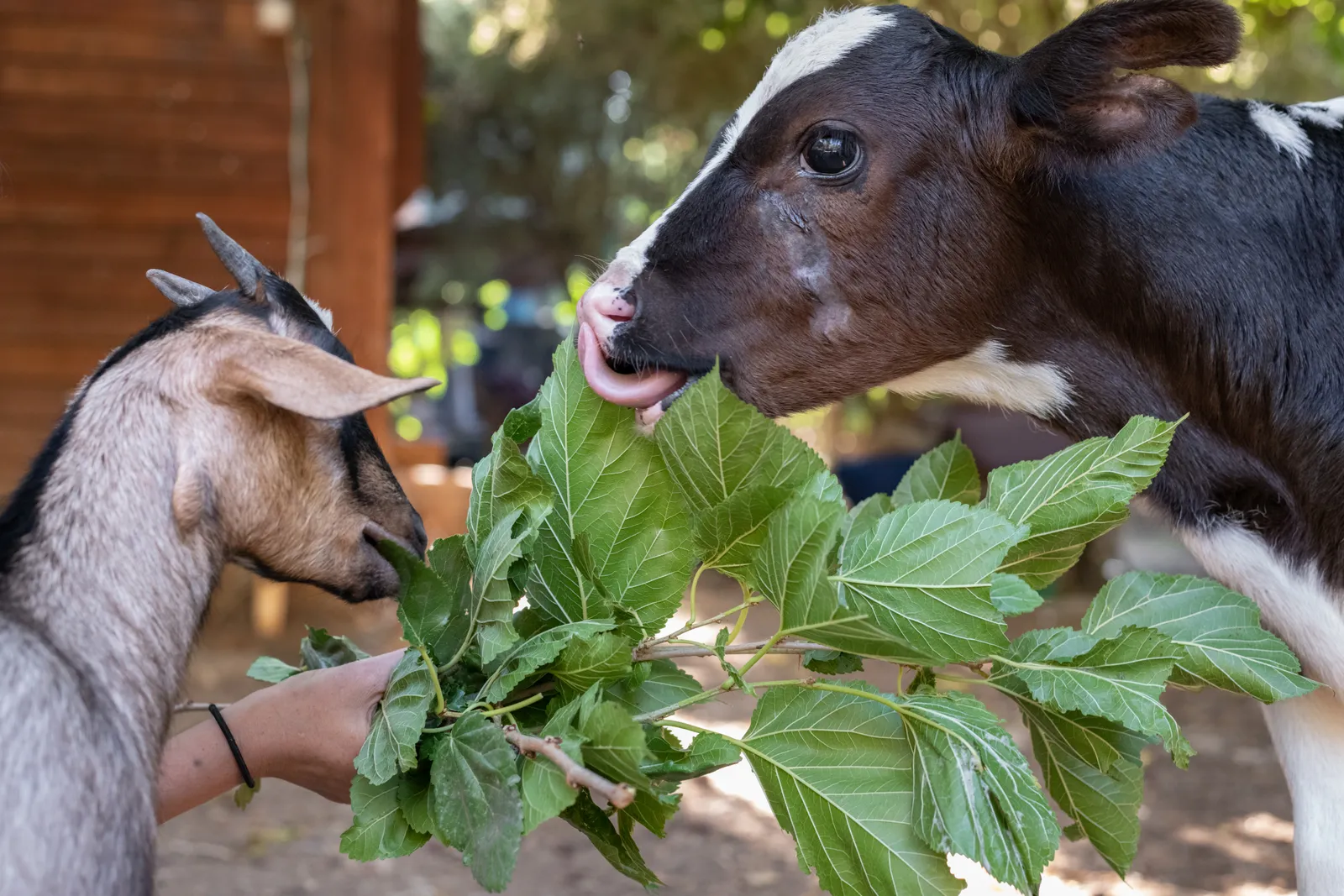
- Animals, like people, want to live, feel emotions and feel pain.
- Billions of sentient animals are exploited every year for the production of meat, milk and eggs.
- The oppression of animals is closely bound up with other forms of oppression; it feeds on them and it feeds them. Misogyny, racism, colonialism, classism, militarism, speciesism — all parts of one problem.
- Farmed animals are no less clever and no less sentient than companions like cats or dogs: pigs, cows and hens can learn, solve problems, feel complex emotions and remember people and other animals.
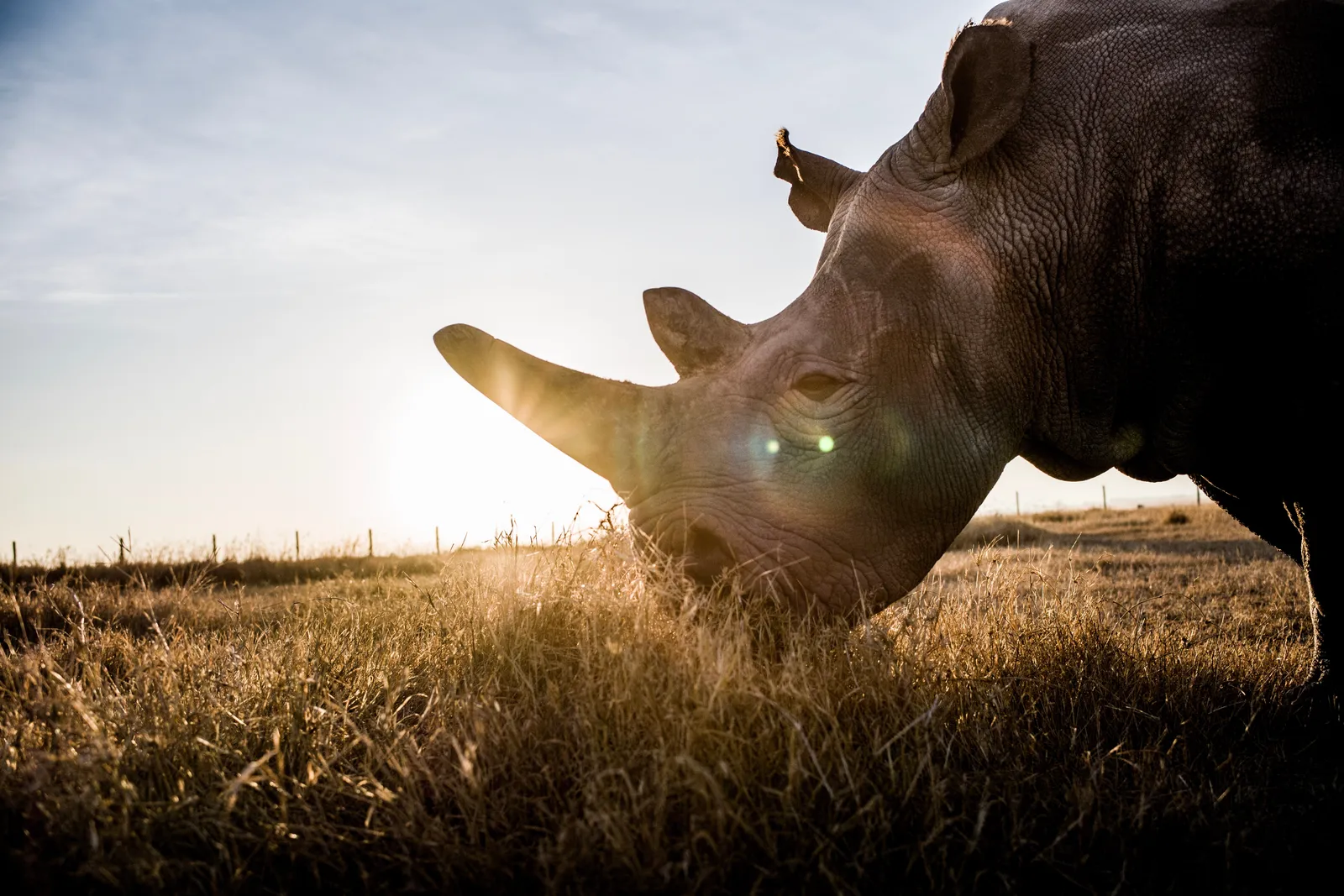
- The breeds of the various species exploited in agriculture have been developed to yield maximum profit. The physical traits that result cause these animals unbearable suffering from their first weeks of life.
- Animal farming is one of the leading causes of ecosystem destruction worldwide and of global climate change.
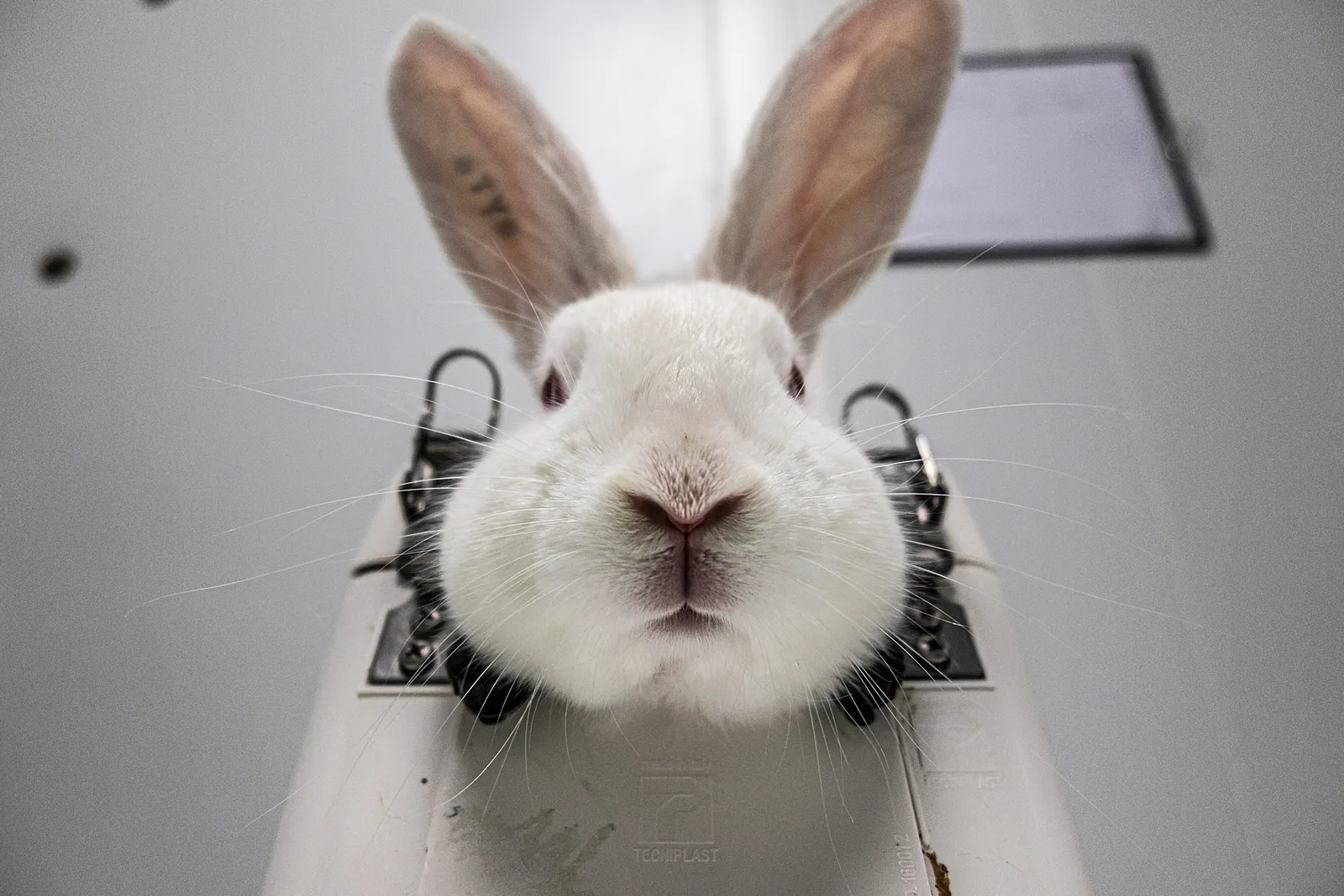
The reality of the industry
What happens at the slaughterhouse
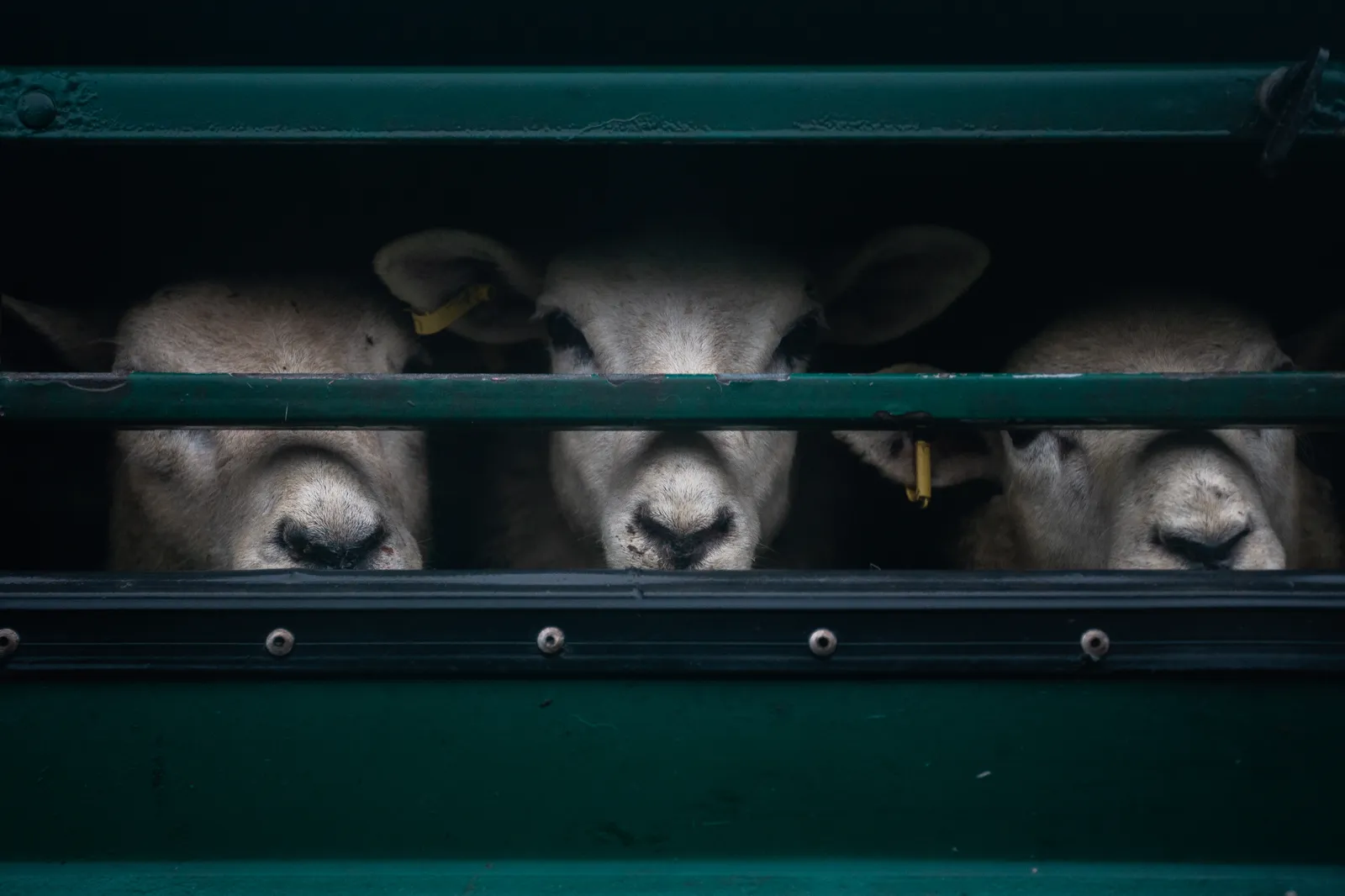
If you have not yet seen footage from a slaughterhouse, watch some. We do not publish video or photographs from slaughterhouses, but they are easy enough to find online.
- Animals are stunned before slaughter, but stunning does not always work the first time.
- Stunning does not necessarily mean instant death; afterwards the animal's throat is cut and his or her body is hung on a hook. The animal dies of blood loss.
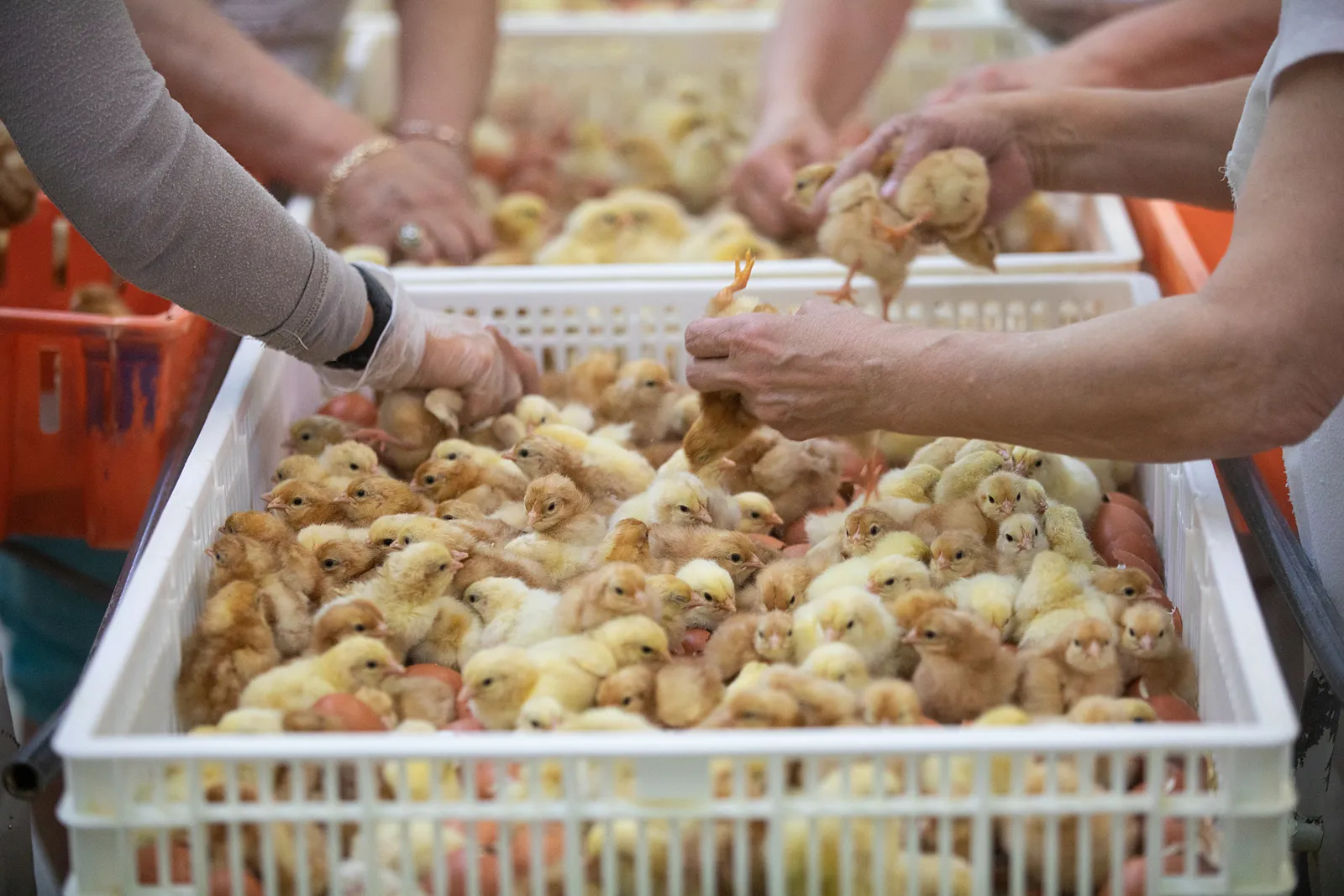
- Most of the animals we eat are killed while they are still children.
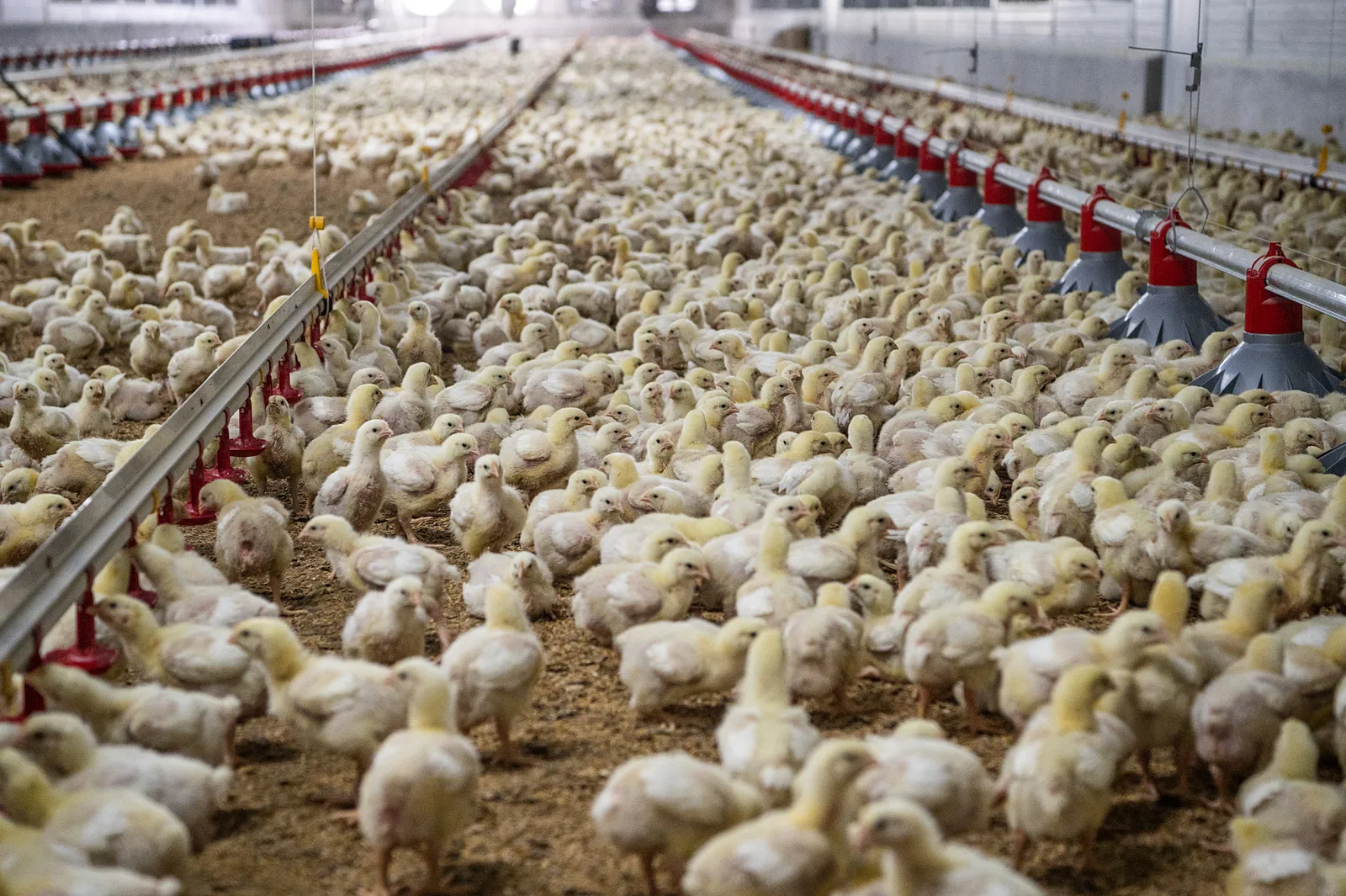
- The overwhelming majority of animals are born, live and die in industrial farming, usually with no chance to turn around in their cage, to see daylight or to socialise.
And what is wrong with dairy?
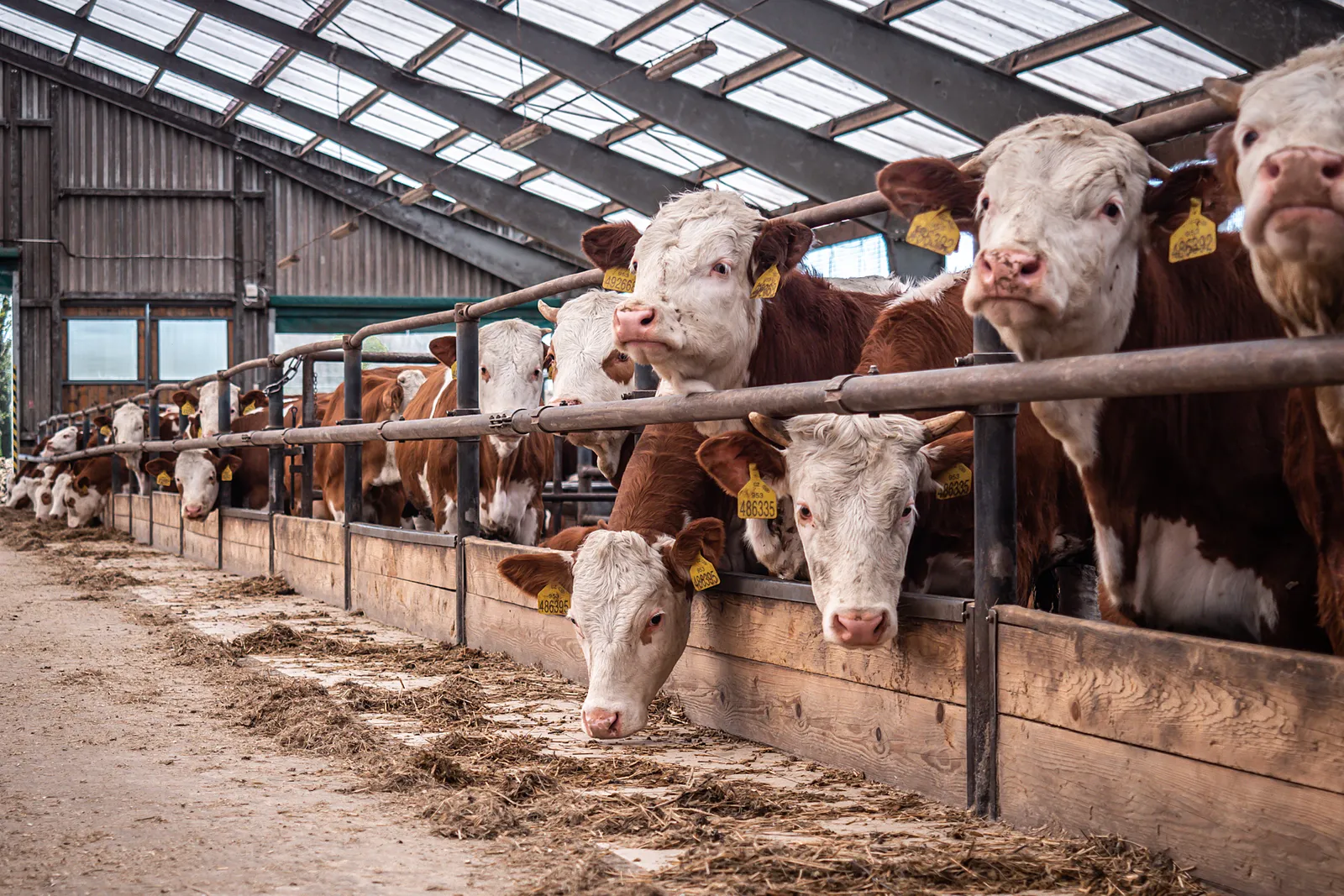
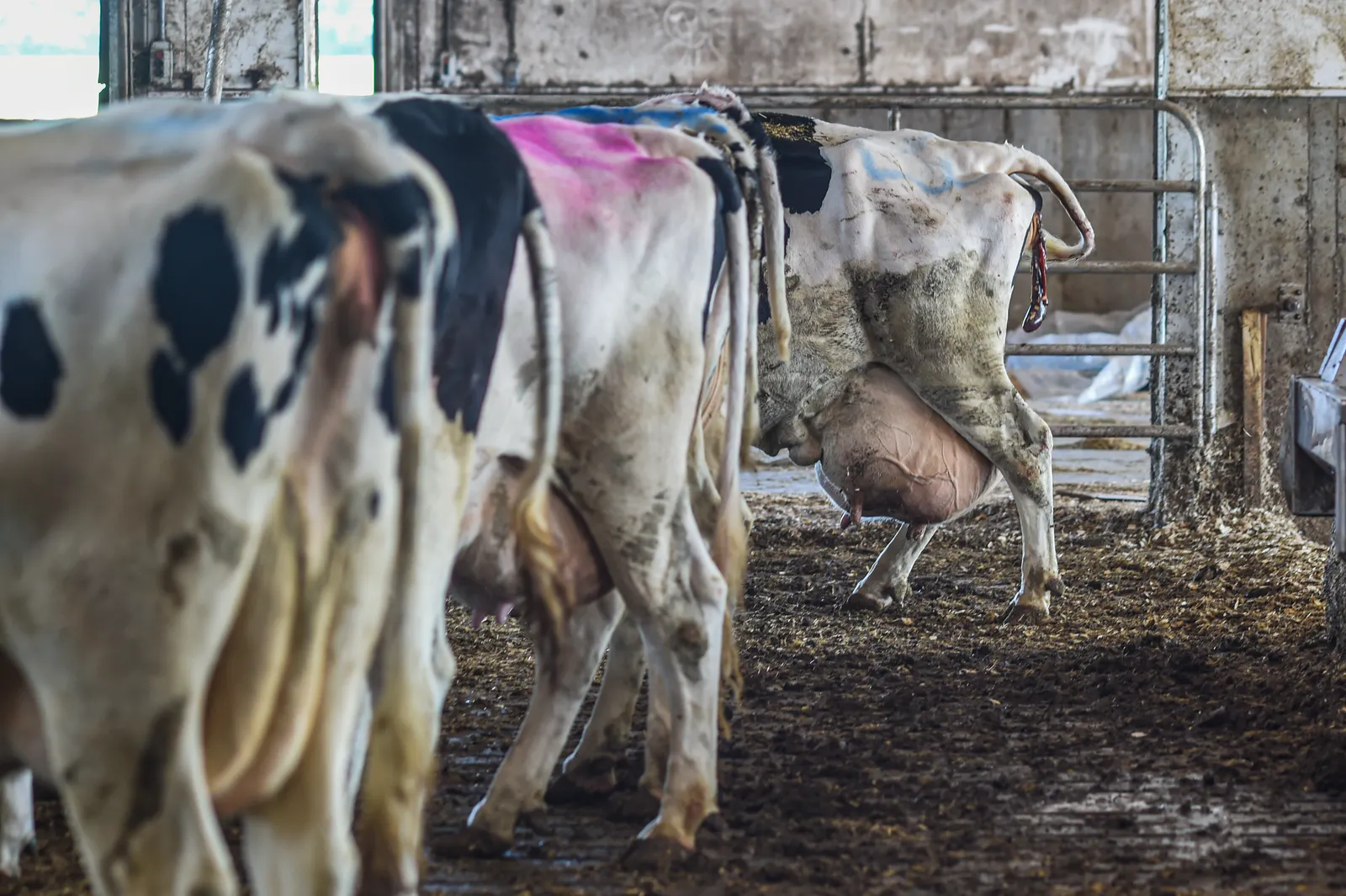
- A cow does not «give milk» all her life: after a few years of intensive exploitation her «productivity» drops. She is then sent to the slaughterhouse.
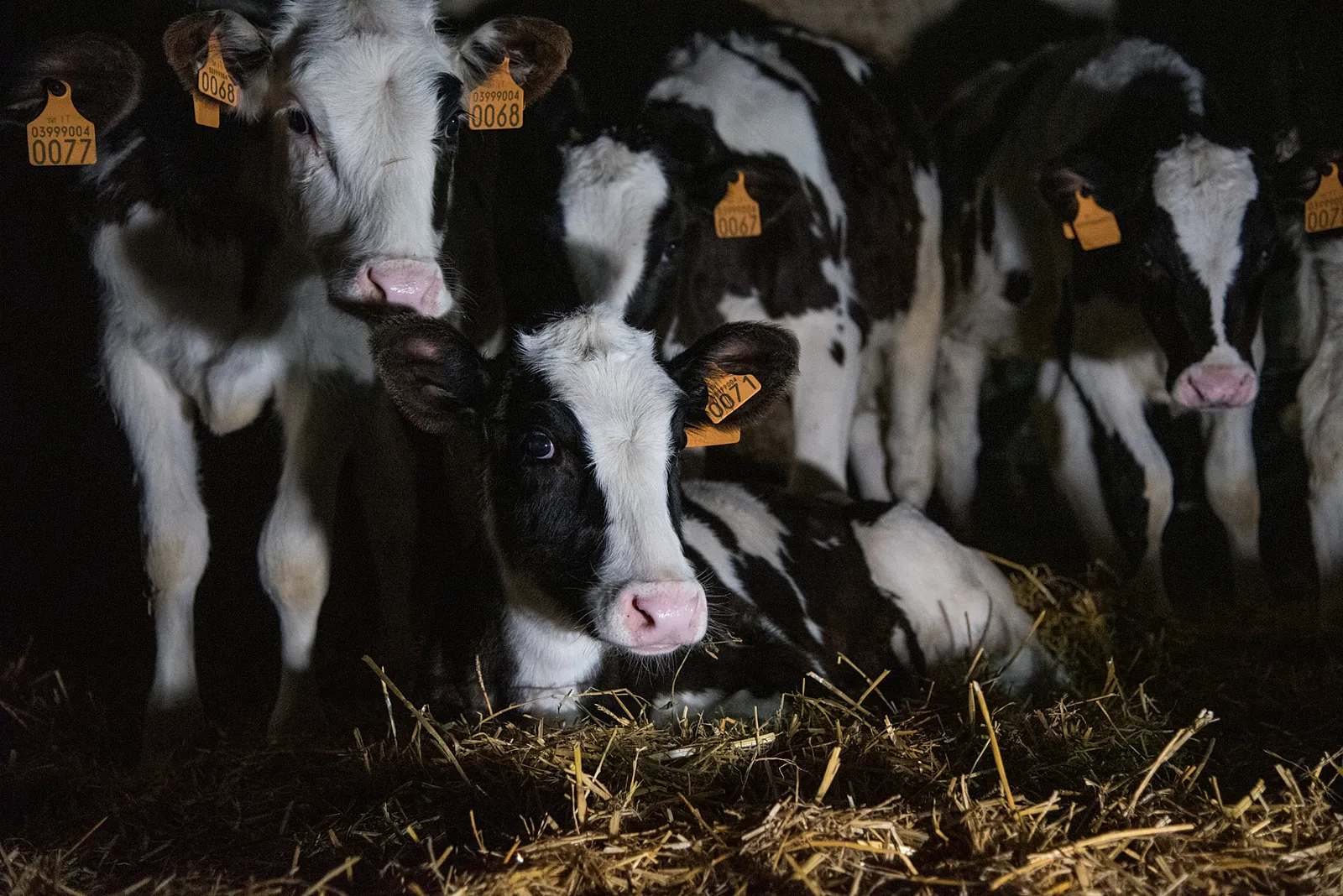
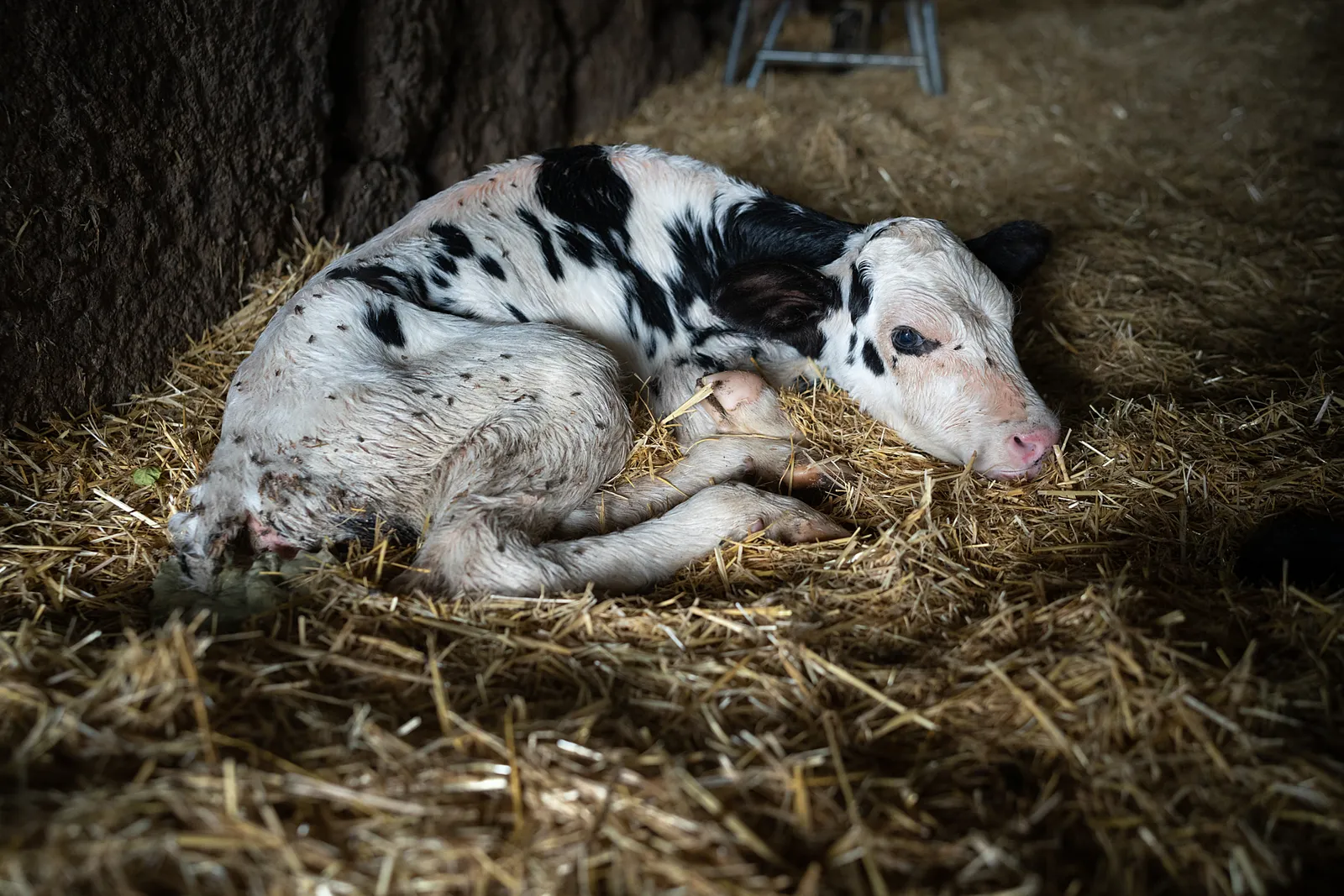
- A cow begins to «give milk» after giving birth to a calf, as all mammals do. She is inseminated regularly, artificially and forcibly, and kept permanently pregnant.
- Male calves are sent to slaughter at an early age, usually separated from their mothers within the first hours or days after birth.
- In natural conditions cows can live around 20 years or more, whereas in the dairy industry their lives often end at about five to seven.
- When her calf is taken away, the mother cow often calls out for him loudly and tries to stop what is happening. Animals do not suffer physically alone.
And the eggs — what is wrong with those?
- More than 7 billion male chicks are ground up alive every year, right after hatching, because they are of no use to the egg industry.
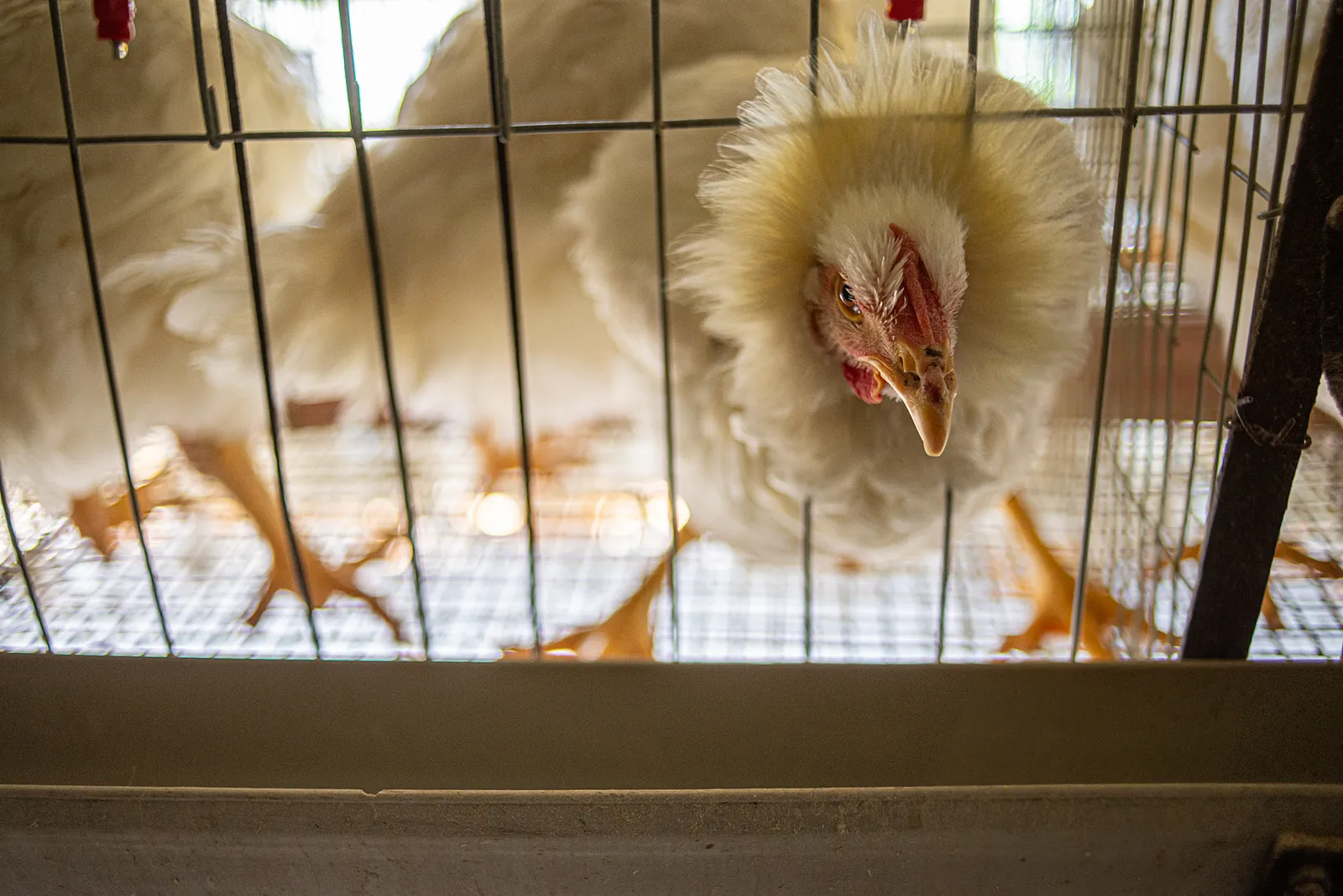
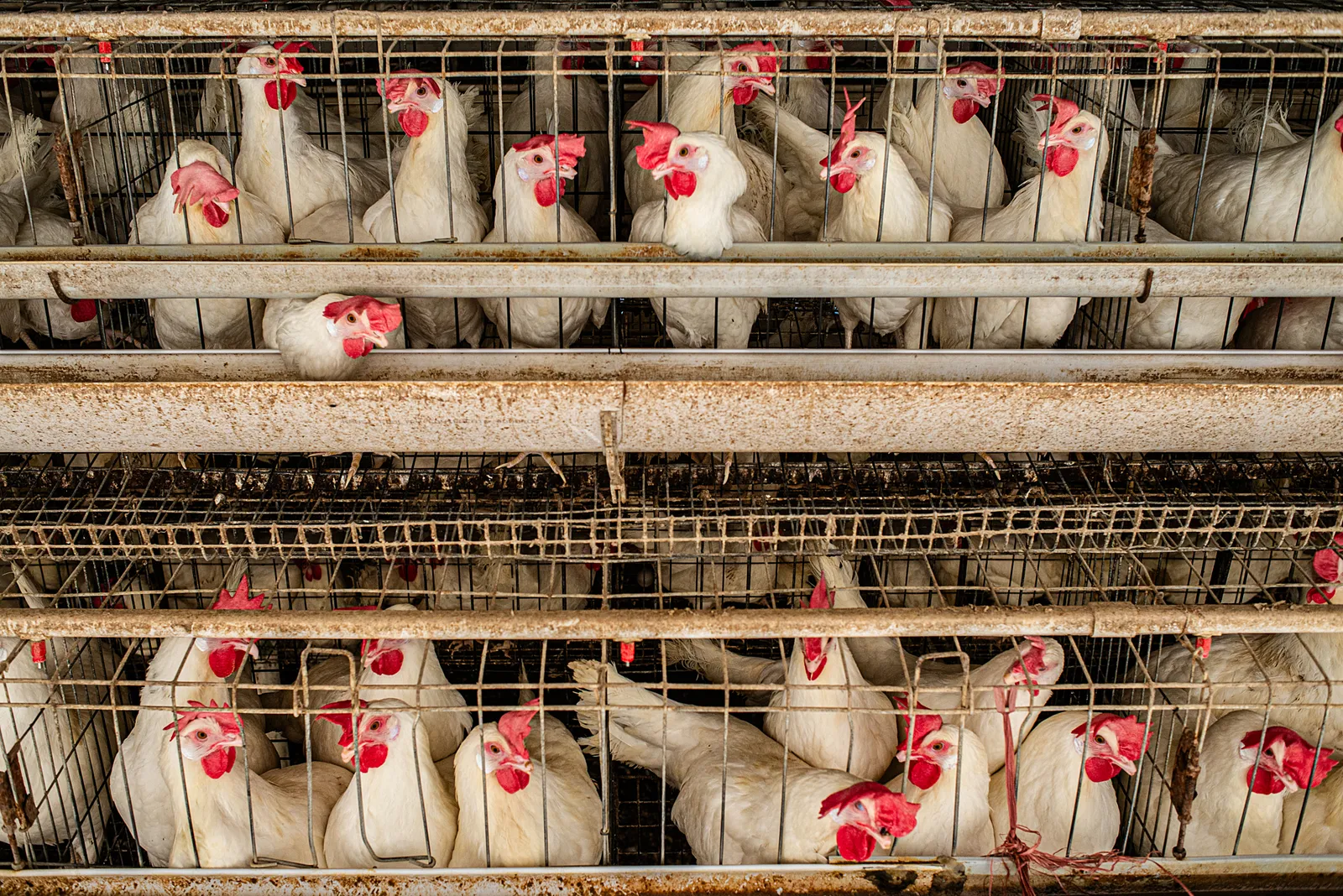
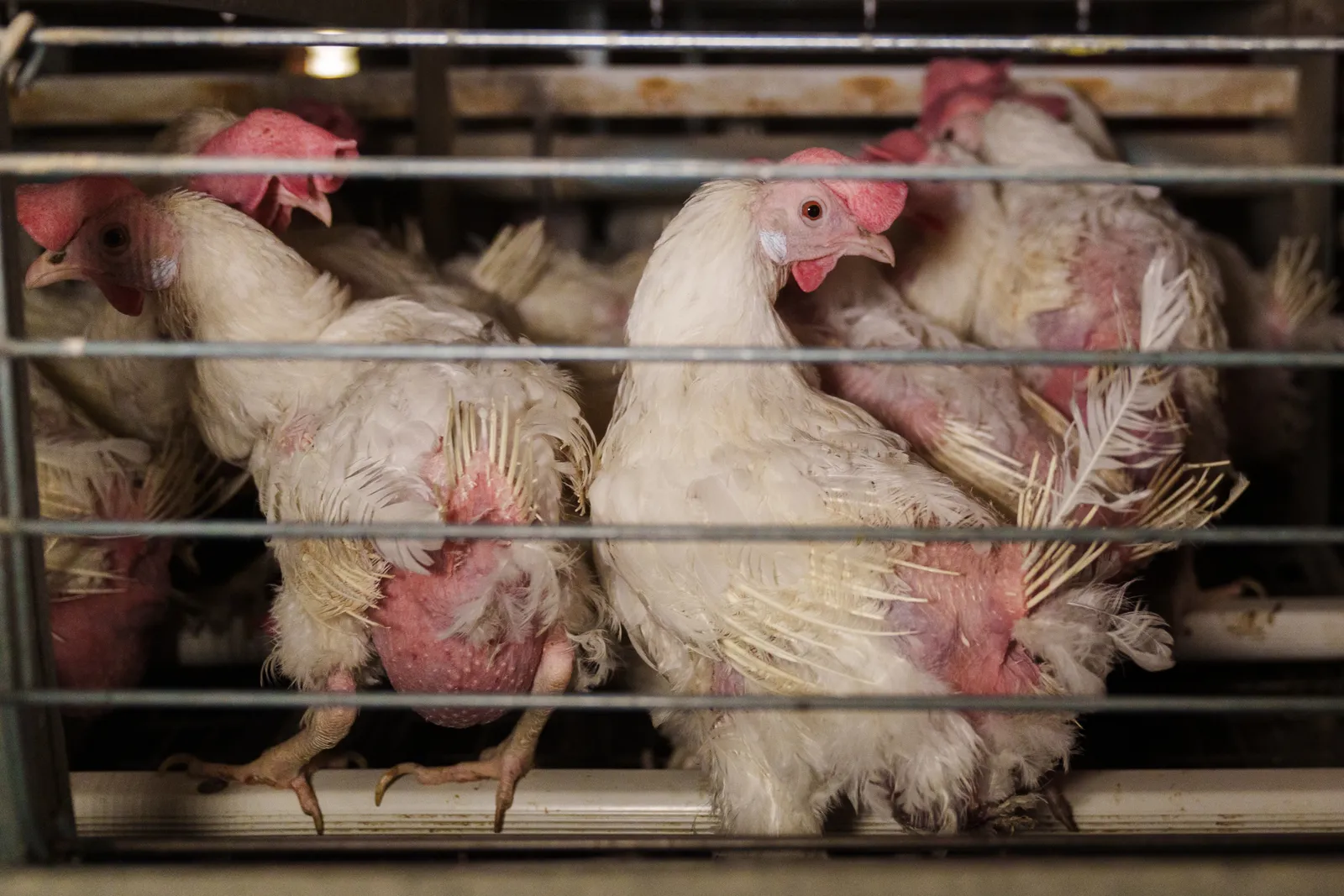
- A sheet of A4 — that is how much room one hen gets on an industrial egg farm, for her entire life. In the cage a laying hen cannot even spread her wings.
- High «laying performance» puts a heavy strain on the body: the calcium needed for the shell is constantly drawn out with the eggs. That leads to lasting health problems.
- When the hens' «productivity» falls, keeping them stops being commercially worthwhile and the birds are sent to slaughter.
Common questions
But I need calcium!
- Good sources of calcium are plant milks, tofu, sesame and tahini, almonds, white beans, broccoli and leafy greens.
- Calcium from some plants — broccoli or kale, for example — is absorbed better than calcium from fortified cow's milk.
- Bone health is not about calcium alone: vitamin D, protein and other nutrients matter too, and all of them are fully available on a plant-based diet.
Where do you get protein, then?
- There is protein in almost all plant food: legumes, grains, nuts, seeds, vegetables and mushrooms.
- Tofu, tempeh, soy meat and seitan are high in protein and easily replace meat in familiar dishes.
- Plant protein does not have to come from a single food: combining different foods over the course of the day supplies all the amino acids you need.
- Soy contains complete protein — all nine essential amino acids — in sufficient amounts.
- Lentils, beans and chickpeas are particularly rich in protein: cooked, they contain roughly 7–10 g of protein per 100 g.
- Seitan and other plant-based meat substitutes are very high in protein — around 20–25 g per 100 g.
- Nuts and seeds provide a significant amount too: 30 g of pumpkin seeds, for instance, has around 8–9 g of protein.
- Protein deficiency happens not because someone does not eat meat, but because of an overall shortage of calories and of balanced food.
I can't live on grass alone!
The rules of healthy eating for vegans differ little from the rules for omnivores. Picture an ordinary plate and divide it into four.
- Half the plate — a variety of vegetables or fruit.
- A quarter of the plate — carbohydrates: potatoes, grains and things made with flour.
- The other quarter — sources of protein: legumes, nuts, seeds, and also tofu, seitan and soy meat.
You do not have to build the perfect plate every time. Favourite «not especially healthy» foods can be part of the diet too — there is nothing wrong with that. What matters is looking after yourself, eating varied food, and having a diet that overall meets your needs.
Veganism is elitist and expensive!
Most people on the planet eat mainly plant food precisely because it is cheaper. Obviously the availability of any particular product varies from place to place, but a fashionable soy steak is nowhere near a compulsory part of the diet.
What will happen to the animals if we stop eating them?
If we stop consuming animal products, we stop breeding animals. Ideally we should care for those who are already here until they die of natural causes, and breed no more.
As for vitamins — B12 is the only one that cannot be obtained from ordinary plant food; non-vegans get it from fortified cow's milk. Vegans are advised to take supplements or eat fortified products.
Ecology
Aren't the forests cut down to grow plant food?
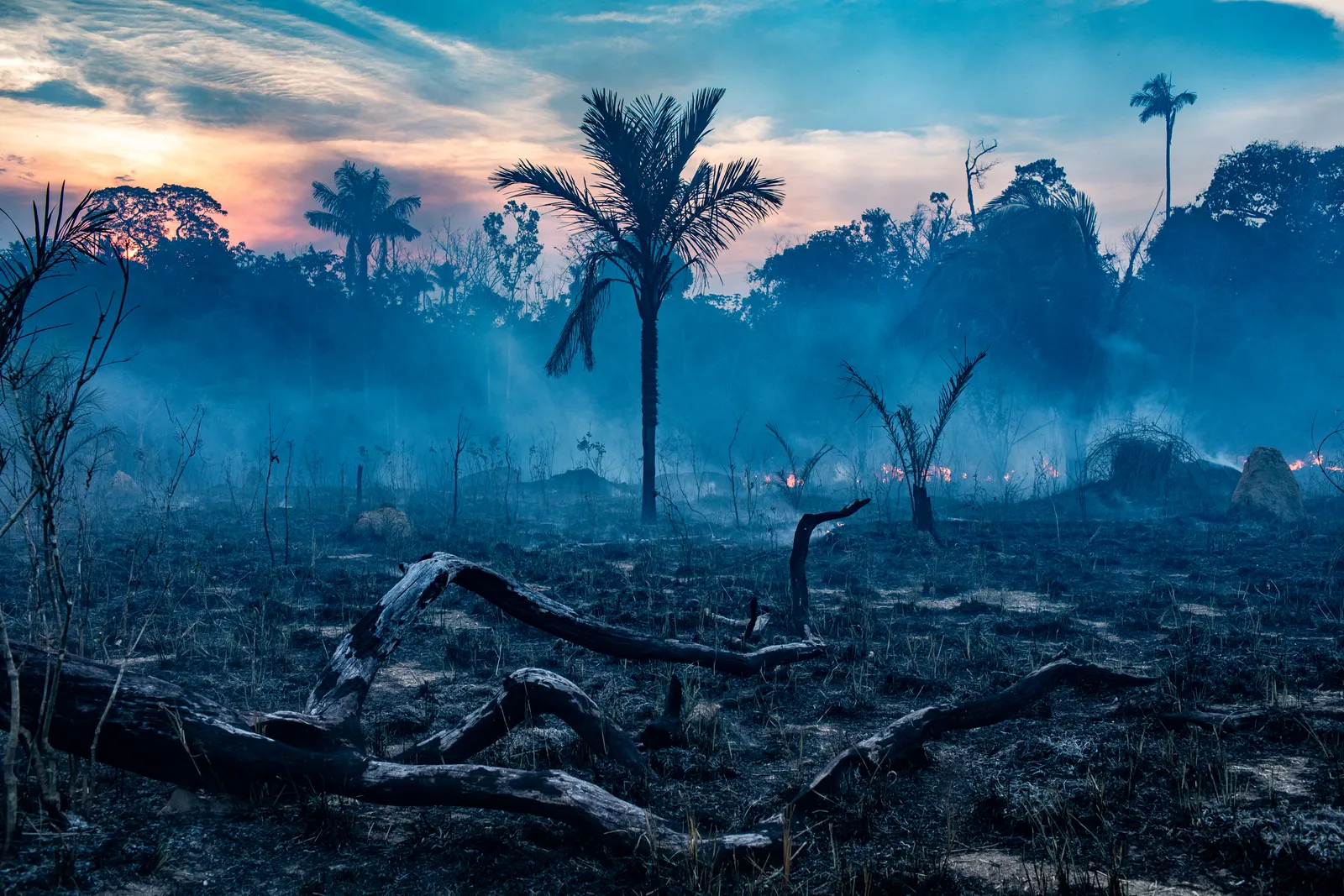
The main cause of rainforest destruction, water pollution and species extinction is animal farming. It is responsible for 91% of the destruction of the Amazon rainforest.
Clearing forest for pasture and polluting the soil and water changes the habitat of many species of animals and plants. Around 137 species of animals and plants disappear every day because of deforestation for the needs of animal farming.
If everyone went vegan, how many resources would that take?
Land for 1 kg of food
animal food
plant food
45% of the world's land is currently given over to the needs of animal farming. Feeding one vegan takes 18 times less land than feeding someone who eats animal food.
Water to produce 1 kg of food
animal food
plant food
A third of all drinking water goes to animal farming. Producing a single burger takes about 3,000 litres of water.
Greenhouse gas emissions
animal farming
all transport
Road, air and sea transport combined. Animal farming is one of the main causes of climate change.
Billions of animals are born and die every year for human whims, meeting pain, fear and cruelty. Yet we can live and eat perfectly well without causing them suffering and death.
Vegan guide to Armenia
Where to eat, what to buy and where to go — a guide to vegan Armenia.
Sources
General figures and statistics
Dietary guidance
On ecology
We thank We Animals for the photographs.